
Get Ready for Change: Why Your Cash Purchases Will Look Different in 2026 |
Starting in 2026, local cash transactions will round to the nearest nickel as the U.S. penny officially phases out of circulation. |
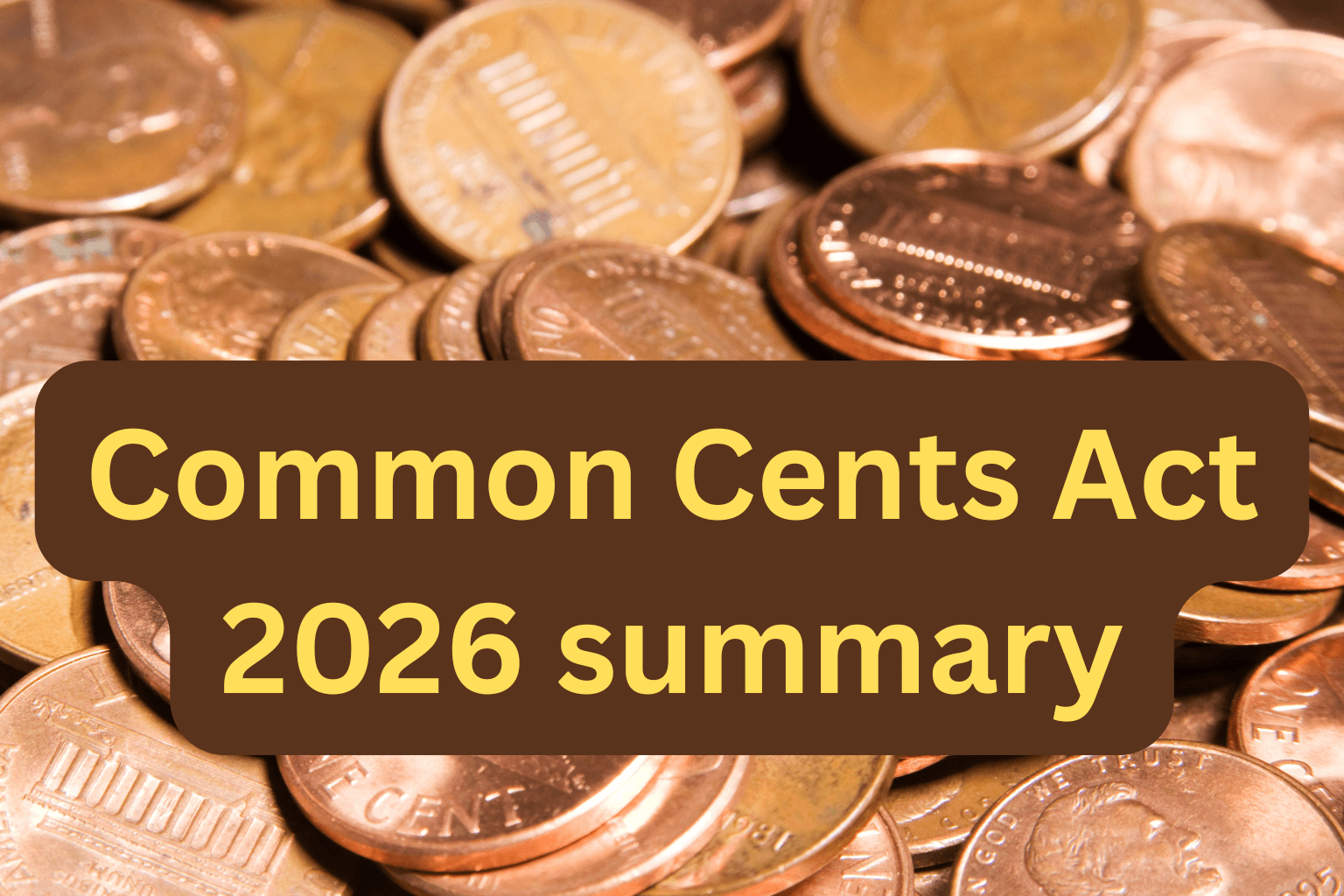
If you're someone who still prefers paying with cash at local Brainerd Lakes Area retailers, coffee shops, and restaurants, there's an important change coming your way in 2026—and it's going to affect how you pay for everything from your morning coffee to your grocery run.
After more than 200 years in circulation, the U.S. penny is officially being retired. The U.S. Treasury Department placed its final order for penny blanks back in May, and those supplies are expected to run out by early 2026. Once that happens, no new pennies will be minted for circulation.
Why Is This Happening?
The answer comes down to simple economics. It costs 3.69 cents to produce and distribute a single penny—nearly four times what it's actually worth. Last year alone, the Treasury lost $85.3 million minting over 3 billion new pennies. Those mounting losses, combined with America's shift toward digital payments, made the penny's retirement inevitable.
What This Means for Your Wallet
Here's where things get interesting for local shoppers. When you pay with cash at your favorite Brainerd Lakes Area businesses, transactions will soon be rounded to the nearest nickel. Don't worry—your credit and debit card purchases won't change at all, and pennies will still be legal tender, meaning you can continue using the ones you already have.
The rounding system is straightforward. If your total ends in 1, 2, 6, or 7 cents, it rounds down in your favor. If it ends in 3, 4, 8, or 9 cents, it rounds up. Purchases ending in 0 or 5 cents stay exactly as they are.[1] At first glance, you might think this evens out—sometimes you save a cent or two, sometimes you pay a bit more. But researchers at the Federal Reserve Bank of Richmond discovered something unexpected when they analyzed real consumer transactions.
The Hidden Cost of Rounding
Using data from over 24,000 real transactions across America, economists found that purchase totals don't end randomly. Instead, they're more likely to end in digits that round up—particularly 3, 4, 8, and 9 cents. This creates what researchers call a "rounding tax".
The good news? This tax is remarkably small. Nationwide, researchers estimate it will cost American consumers about $6 million annually. When you break that down across the entire U.S. adult population of 258.3 million people, each person pays roughly two cents per year in rounding costs.
For the average cash user in the Brainerd Lakes Area, this means you'll barely notice the difference in your day-to-day shopping.
What About Nickels?
Here's where things could get more expensive. With pennies disappearing, demand for nickels will likely increase—but nickels are even costlier to produce. Each nickel costs 13.8 cents to mint, more than double its face value.
If the government eventually phases out nickels too, all cash transactions would round to the nearest dime. This scenario would increase the annual consumer cost to approximately $56 million nationwide—nine times higher than eliminating pennies alone. However, there's no indication this change is happening anytime soon.
You're Not Alone
The United States is joining other countries that have already made this transition. Canada stopped producing pennies in 2012, Australia eliminated its 1-cent and 2-cent coins in 1992, and New Zealand phased out its lowest denominations years ago. These countries adapted smoothly, and so will we.
What to Expect Locally
As existing pennies gradually disappear from circulation, local Brainerd Lakes Area retailers will begin implementing the rounding system. Since this change happens gradually, you'll have plenty of time to adjust. Meanwhile, the shift toward credit cards, debit cards, and mobile payments means fewer of us are using cash anyway.
The bottom line? This change reflects how we actually shop today—and for most of us, it won't make a meaningful dent in our budgets. Whether you're grabbing groceries at Cash Wise, picking up supplies at Fleet Farm, or enjoying lunch at a local restaurant, your shopping experience will remain essentially the same.
Welcome to the nickel era, Brainerd Lakes Area. It's been quite a run for the penny. |
0 Comments
Join the conversation
Be the first to comment
Share your thoughts above.