Quiet Work, Big Impact: What a Pine River Trash Company Tells Us About Middle Minnesota’s Future |
How Local Waste Partners Embodies Middle Minnesota's Resilience |
A cold morning, a quiet truck
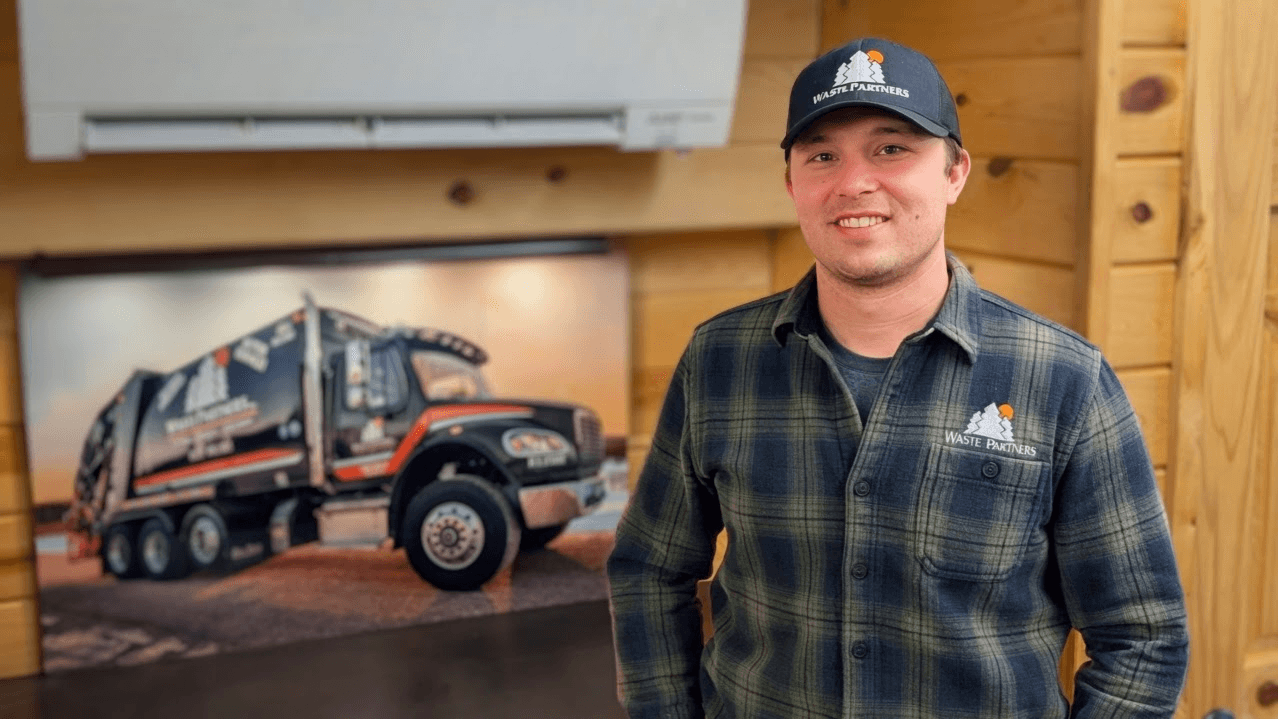
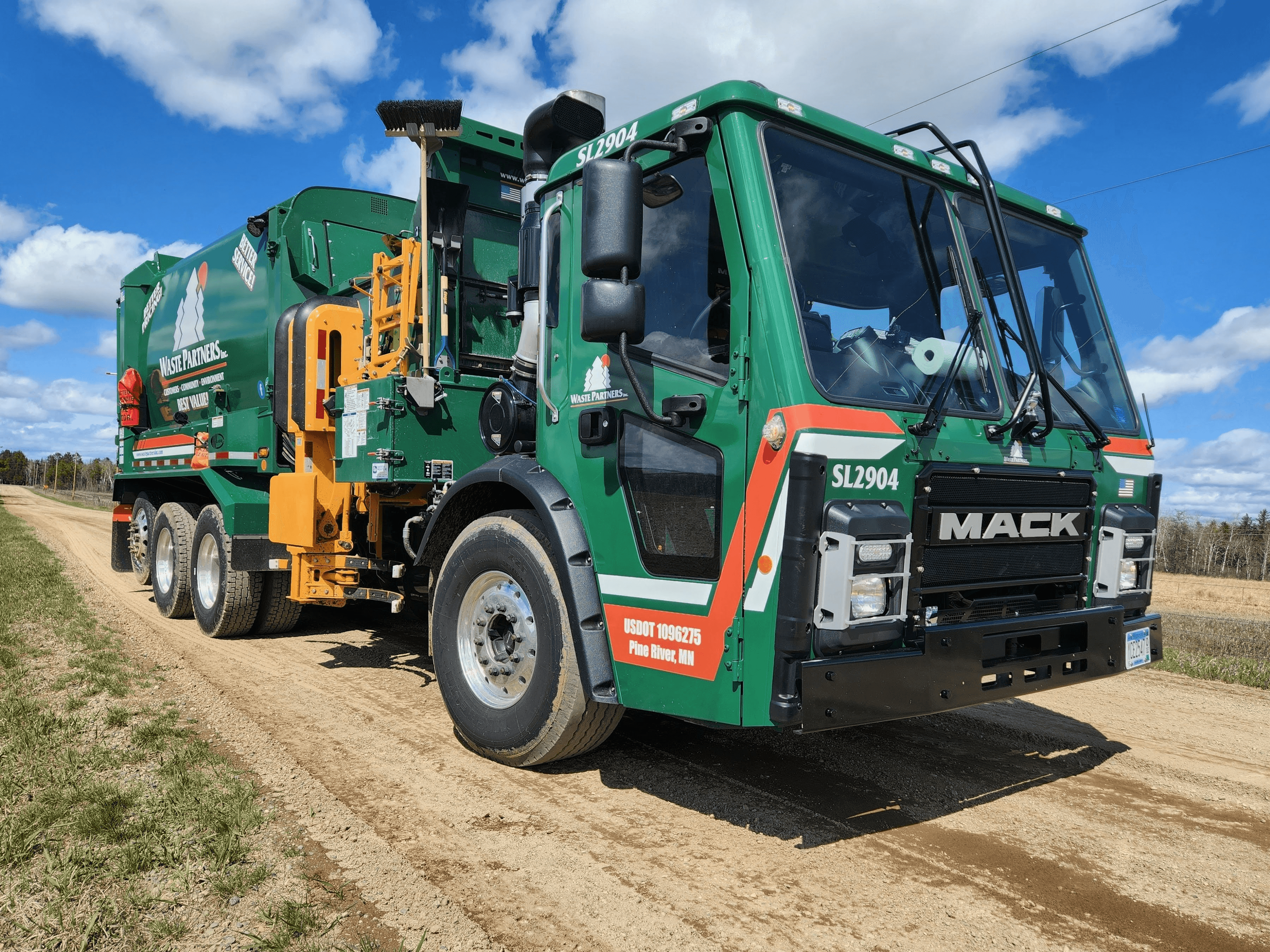
At 4:30 on a January morning, when most of Pine River is still dark and the temperature sits somewhere south of reasonable, the first Waste Partners truck rumbles out of the yard. By the time many of us are pouring that second cup of coffee, several hundred garbage cans have already been emptied, straightened, and set back at the end of the driveway—just the way we expect them to be.
You don’t see the driver, but you notice what you don’t see: no garbage blowing across the road, no tipped carts lodged in the ditch, no mystery bags frozen into the snowbank. If everything goes right, their work is invisible.
That’s the odd thing about an “essential service.” During the pandemic, the federal government formally labeled waste collection a critical part of keeping the country running, second only to health care in exposure risk. But in places like Pine River, Backus, and the Brainerd Lakes Area, garbage has felt essential long before it showed up in a Department of Homeland Security memo.
And tucked inside the story of one small trash company is a bigger question for middle Minnesota: in a region built on tourism, tight‑knit towns, and aging infrastructure, what happens when the quiet, behind‑the‑scenes work gets harder to do—but more important than ever? |
The Loge Name: Legacy or Liability? |
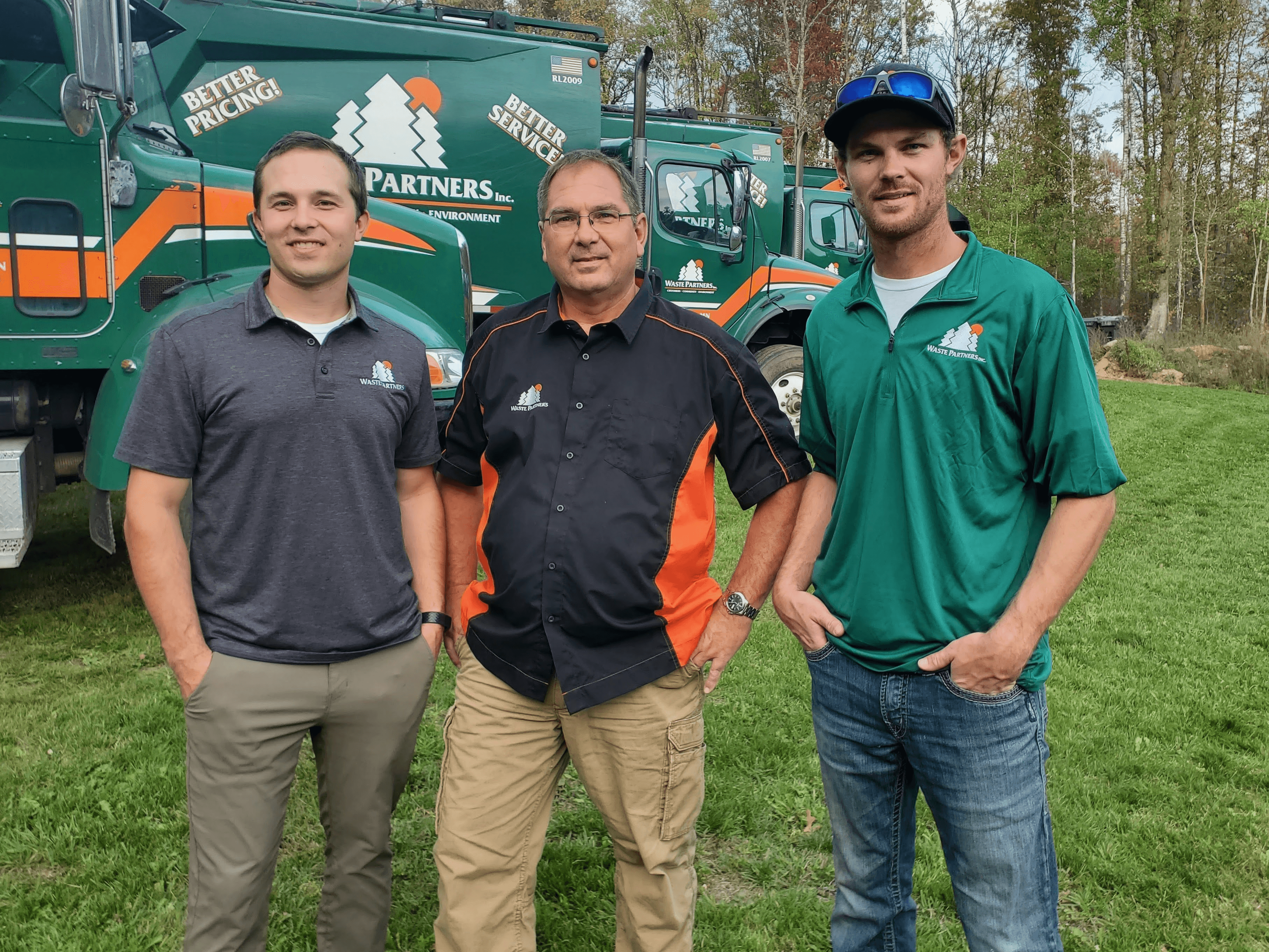
When people around Pine River hear the name Loge, they think of a business, a teacher, and a grandpa nicknamed “Poor Gary” who once ran a small disposal company in the Brainerd area back in the 80’s. That history is stitched into Waste Partners, the garbage and recycling company Drey Loge now helps lead as a third‑generation owner.
|
 |
Essential work in a changing region |
Managing waste isn’t glamorous, but public health experts are blunt: if garbage stops moving, disease and blight follow. Federal guidance during COVID underscored that solid waste collection has to keep going “to ensure the effective removal, storage and disposal” of what households and businesses throw away.
|


Video Credit: Lakeland PBS |
Local voices: what “essential” feels like on the ground |
A region only works if the people doing the behind‑the‑scenes tasks feel seen. Here’s how a few local voices frame that idea.
|
 |
Lessons from a trash route: work, faith, and family |

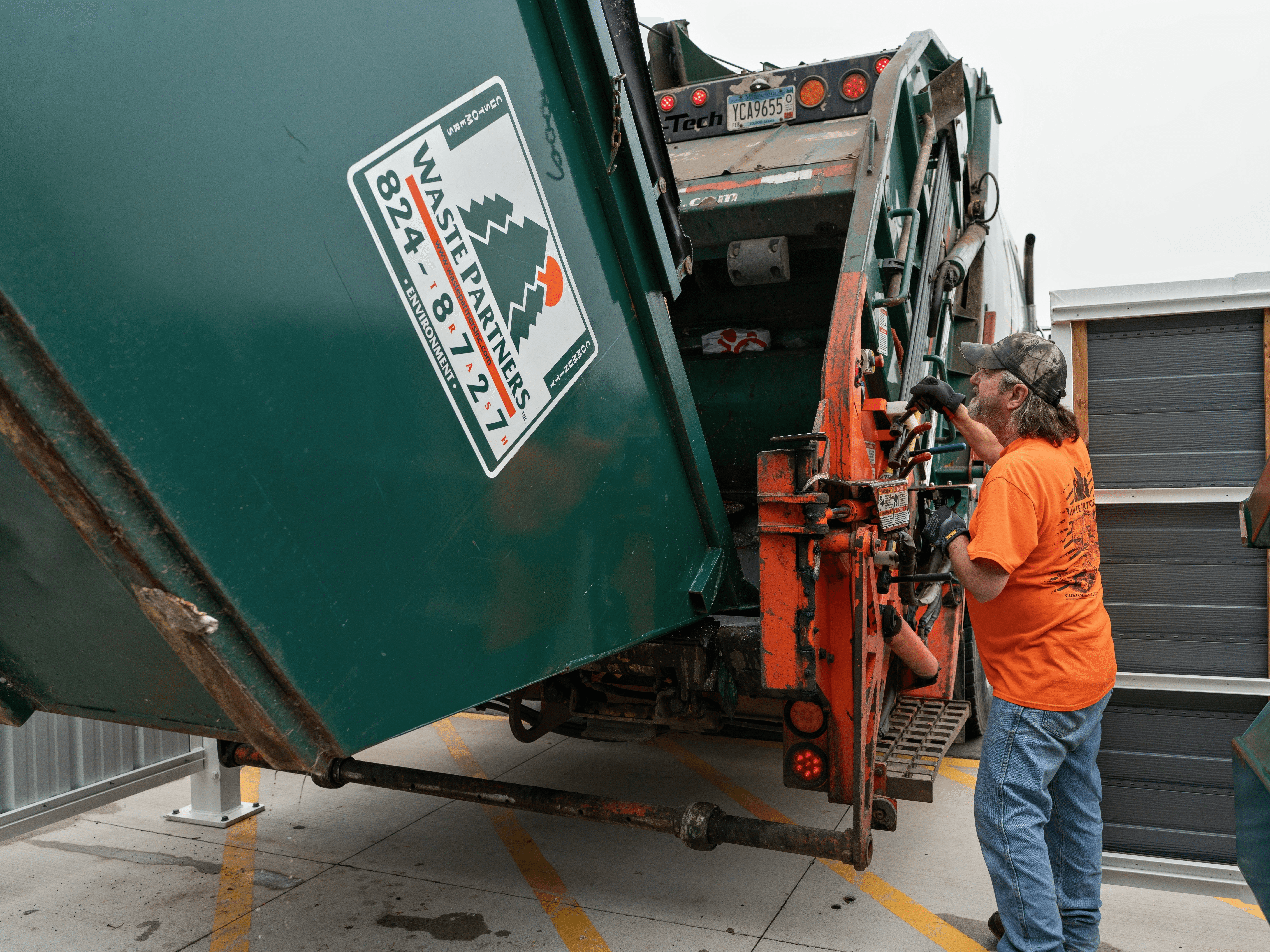
Drey’s story is also about what keeps people rooted here. After leaving Pine River for a mechanical engineering degree at the University of Minnesota Duluth and a job at a boom‑truck manufacturer, he never planned on coming back to run a family business.
His own daily routine reflects that pull. The alarm goes off at 4:00 a.m. He reads one chapter of the Bible—“a lens for the day”—before heading in. He’s still wrestling, literally and figuratively, with how to be present at work from 4:30 a.m. to close while also showing up for two young daughters at home. |
Practical takeaways for middle Minnesota neighbors |
So what does all this mean for a busy parent in Brainerd or a retiree in Crosslake who just wants the trash gone and the roads safe? Here are a few practical ways to support the invisible systems that keep our towns running:
|
 |
Where we go from here |
Underneath the rumble of that early‑morning truck is a bigger story about what kind of communities we want to be. The Brainerd Lakes region has spent more than a century evolving from hidden resorts in the trees to a year‑round mix of full‑time residents, retirees, and visitors. As more vacation homes convert to permanent housing and new families move north for a different pace of life, the quiet work—hauling garbage, leading support groups, and serving your neighbor—will only matter more.
|
0 Comments
Join the conversation
Be the first to comment
Share your thoughts above.