
The Grain Doctors Are Raving About: Why Wild Rice Is Medicine in a Bowl |
Discover the health benefits and rich heritage of Red Lake Nation's wild rice |

Note: This article contains affiliate links. If you purchase through these links, Lakes Area Buzz may earn a small commission at no additional cost to you. This helps support our community storytelling while we work toward financing this movement entirely through local resources. |
Imagine a cardiologist reviewing patient bloodwork after one simple dietary swap: white rice replaced with wild rice three times a week.
Cholesterol improved. Blood sugar stabilized. Inflammation markers dropped.
It sounds almost too simple—but peer-reviewed research published in journals like Atherosclerosis and the Journal of Agricultural and Food Chemistry shows wild rice delivers cardiovascular and metabolic benefits that rival some pharmaceutical interventions.
The Red Lake Nation has known this for generations. Their ancestors called it manoomin—the "good seed" that sustained their people through harsh Minnesota winters.
Now clinical research is finally catching up to indigenous wisdom. |
The 30X Antioxidant Advantage Hiding in Plain Sight |
A 2009 study published in the Journal of Agricultural and Food Chemistry found wild rice contains approximately 30 times more antioxidant activity than white rice.
Researchers identified specific compounds including flavonoid glycosides and flavan-3-ols, with strong correlations between total phenolic content and antioxidant power.
The Red Lake Nation has harvested this grain from Minnesota waters for centuries using traditional methods that ensure sustainability—allowing unharvested rice to fall into the water and seed future crops.
What indigenous communities understood intuitively, modern science is now documenting systematically. |
What the Atherosclerosis Study Revealed |
A landmark 2013 study published in Atherosclerosis tracked mice on high-fat, high-cholesterol diets—the kind that normally destroys cardiovascular health.
Researchers added wild rice to one group's meals while the control group continued standard feed.
The wild rice group showed 71% reduction in arterial plaque in males and 61% in females. Plasma cholesterol levels dropped 15% in males and 40% in females, even while continuing high-fat intake.
The mechanism? Research published in the Journal of Agricultural and Food Chemistry (2013) demonstrated that wild rice "suppressed high-fat/cholesterol diet-induced insulin resistance" by activating nuclear transcription factors that regulate fat metabolism.
A 2019 follow-up study in Nutrients confirmed wild rice's anti-atherosclerotic properties, showing it significantly reduced arterial plaque formation. |
Major Health Organizations Weigh In |
Mayo Clinic recommends brown and wild rice for children and adults, noting these whole grains are "higher in fiber, B vitamins, iron, magnesium, and antioxidants".
Their published guidelines identify wild rice as beneficial for "lowering bad cholesterol levels, raising good cholesterol levels, lowering insulin levels, lowering blood pressure".
Registered dietitian Allyn Wergin at Mayo Clinic Health System describes wild rice as a "nutrient-rich whole grain with a nutty flavor that is a good source of dietary fiber and contains more protein than other types of rice".
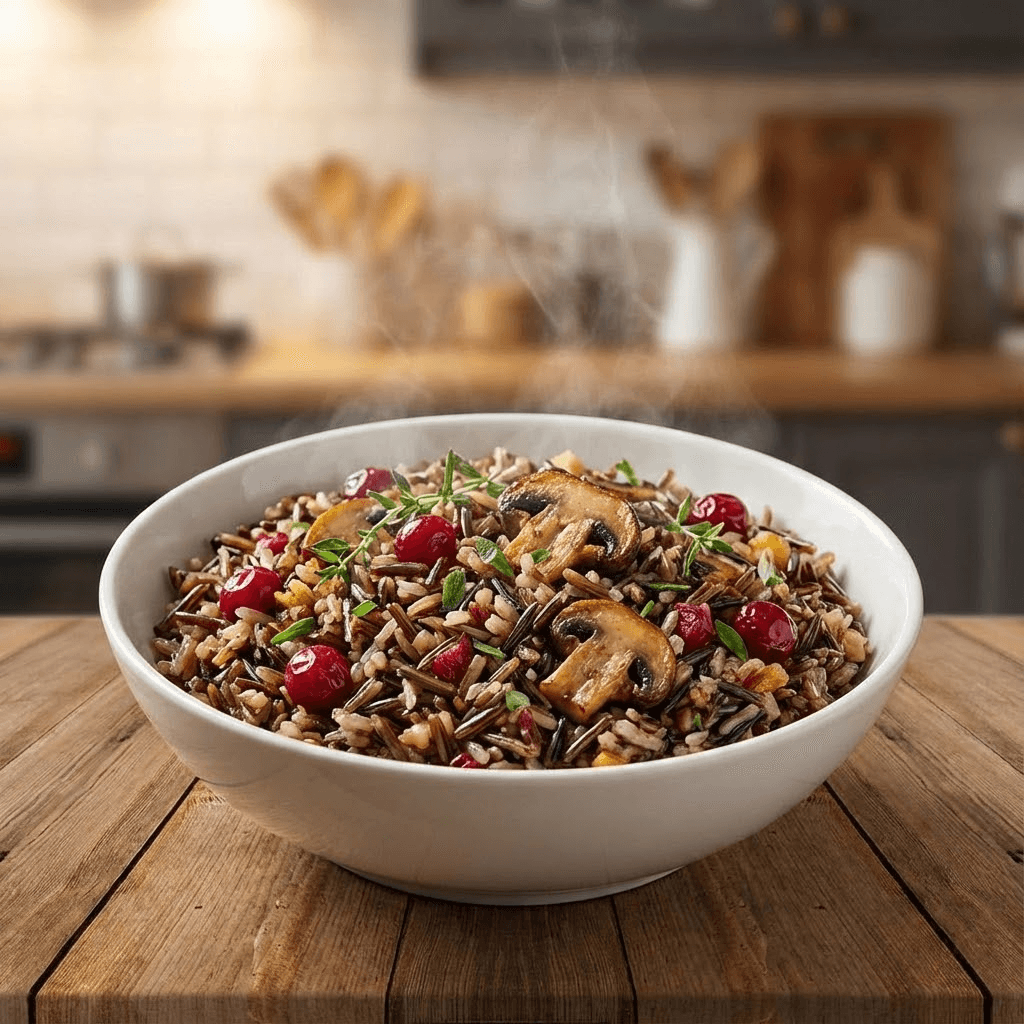
The American Heart Association includes wild rice in their recommended whole grains list, stating that whole grains "lower your risk for heart disease and stroke, support healthy digestion and reduce risk for diabetes". |
 |

The Blood Sugar Advantage |
Chinese researchers determined wild rice has a glycemic index of 53-57, compared to white rice's 73.
This means wild rice causes a gentler, more sustained blood sugar response compared to the spike produced by white rice.
A 2016 study in the Journal of Cereal Chemistry concluded that North American and Chinese wild rice are "effective in suppressing hyperlipidemia and oxidative stress".
Registered dietitian Kayla McDonnell notes that research shows wild rice is "very high in antioxidants, which may help reduce your risk of several diseases" and that "eating wild rice regularly may improve heart health and lower your risk of type 2 diabetes". |
The Gut Health Connection |
A 2020 study published in Current Research in Food Science revealed that wild rice consumption significantly increased beneficial Lactobacillus bacteria while decreasing harmful microorganisms in mice fed high-fat diets.
The research showed wild rice reduced body weight, liver fat accumulation, and low-grade inflammation.
A 2024 follow-up study in Nutrients found that wild rice dose-dependently reduced circulatory metabolic and pro-inflammatory markers, with Lactobacillus gasseri and propionic acid levels negatively correlating with inflammation.
The findings suggest wild rice functions as a prebiotic, feeding beneficial bacteria that help regulate metabolism and reduce inflammation. |
The Red Lake Nation Difference |
Red Lake Nation Foods produces Minnesota cultivated wild rice grown and harvested by the Red Lake Band of Chippewa in northern Minnesota.
The rice is described as having a "nutty flavor, firm texture, and vibrant color" and is "packed with minerals and antioxidants".
The Red Lake Nation holds one of the only contiguous, un-allotted reservations in the United States, and natural resources including wild rice "have factored into their survival and continue to provide a source of income".
For the Ojibwe people, wild rice (manoomin) is sacred—part of their creation story instructing them to find a place "where food grew on water".
Traditional Ojibwe harvesting methods using canoes and wooden sticks ensure sustainability while honoring centuries of cultural practice. |
Making the Switch: Practical Guidelines |
Registered dietitians recommend the standard serving size of ½ cup of cooked rice (about the size of a tennis ball), consumed 2-3 times per week as part of a varied whole grain diet.
Some experts suggest starting with a 50-50 mix of white and wild rice as a transition strategy.
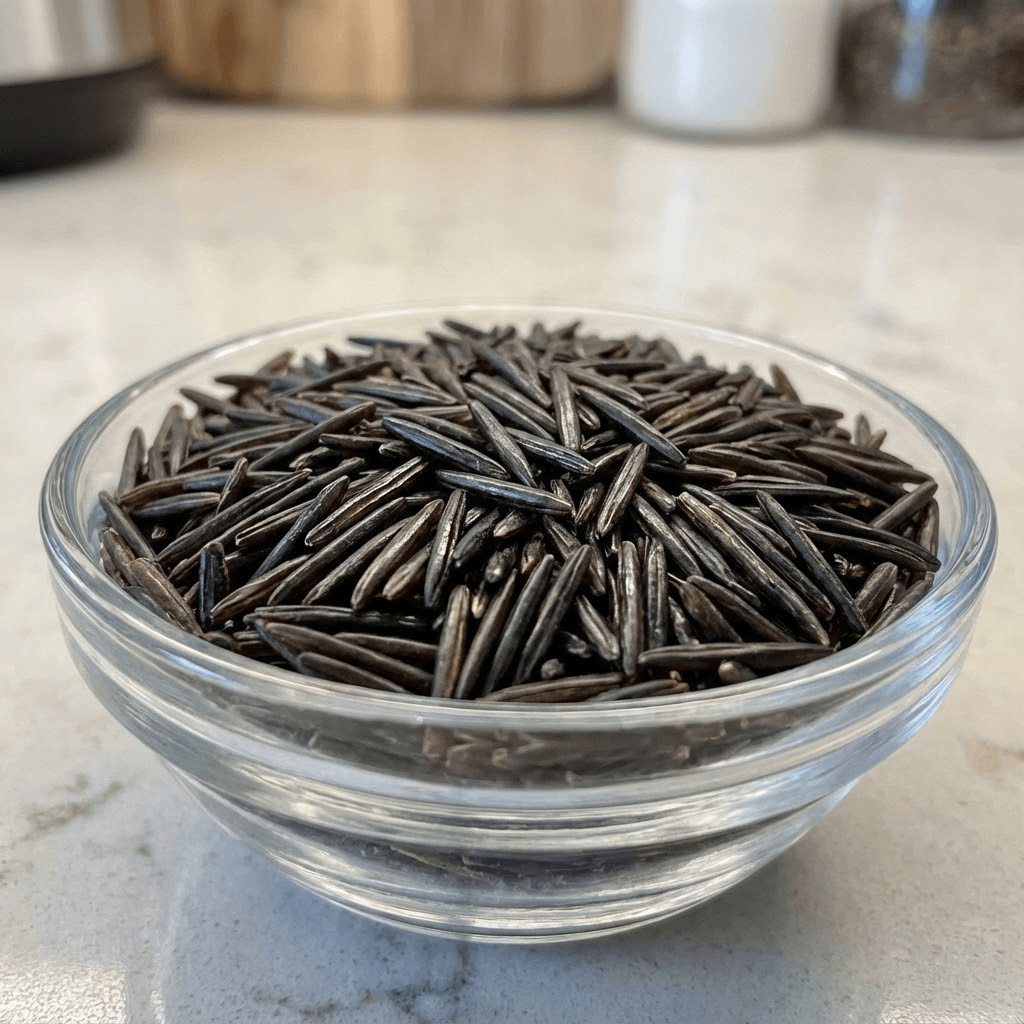
Cooking instructions for traditional wild rice: use a 3:1 water-to-rice ratio and simmer for 35-55 minutes.
Quick-cook varieties need a 2:1 ratio and 20-25 minutes.
Nutrition professionals suggest pairing wild rice with roasted vegetables and lean proteins for complete meals, using it in grain bowls with chickpeas and nuts, or adding it to soups for texture and nutrition.
The grain is "perfect for meal prep" and can be cooked ahead in large batches, according to registered dietitians. |

 |
Current Research in Progress |
Three clinical trials are currently underway studying wild rice's effects on blood sugar control and cardiovascular health in human participants.
The ABWE Trial at University of Manitoba is evaluating wild rice cereal products specifically for blood sugar control.
Another study titled "A Multidisciplinary Investigation of Cardiovascular Benefits of Wild Rice" is investigating effects on gut microbiome diversity in healthy young adults.
Blood glucose response trials are also testing wild rice products against white rice controls.
Cardiovascular nutritionist Dr. Janet Bond Brill emphasizes the "spectacular health benefits of consuming whole grains on a daily basis," citing research showing whole grain consumption was associated with a 15% reduction in cardiovascular disease-related mortality. |
 |
What the Science Shows |
The peer-reviewed research on wild rice demonstrates: - Approximately 30 times greater antioxidant activity than white rice - Reduced arterial plaque by up to 71% in animal studies - Cholesterol reduction of 15-40% depending on gender in mice - Low glycemic index of 53-57 compared to white rice - Complete protein with all nine essential amino acids - Beneficial gut bacteria increases, particularly Lactobacillus library - Improved insulin sensitivity even with high-fat diets
For generations, the Ojibwe people called it the "good seed". Modern science is documenting why.
The research from institutions like Mayo Clinic, the American Heart Association, and multiple universities provides compelling evidence for wild rice as a health-promoting whole grain.
The question is: will you make the switch? |
Medical Disclaimer: The health information in this article is based on peer-reviewed research and expert opinions, but is not intended as medical advice. Always consult your physician before making significant dietary changes, especially if you have existing health conditions, take medications, or are pregnant or nursing. Individual results may vary, and wild rice is not a substitute for prescribed medical treatment. |
0 Comments
Join the conversation
Be the first to comment
Share your thoughts above.