Lakes Area Buzz
Latest News
|Lakes Area Buzz
Latest News

Subscribe

My Neighbor to Love Coalition: Ending Homelessness in Central Minnesota

|

Lakes Area Buzz

Archives

My Neighbor to Love Coalition: Ending Homelessness in Central Minnesota

SIGN UP FOR OUR NEWSLETTER

One Key, One Life: How Creekside Community Is Rewriting Homelessness in the Brainerd Lakes Area

A Mission to End Homelessness and Alleviate Poverty in the Brainerd Lakes Area

EXCLUSIVE
🔥 Trending

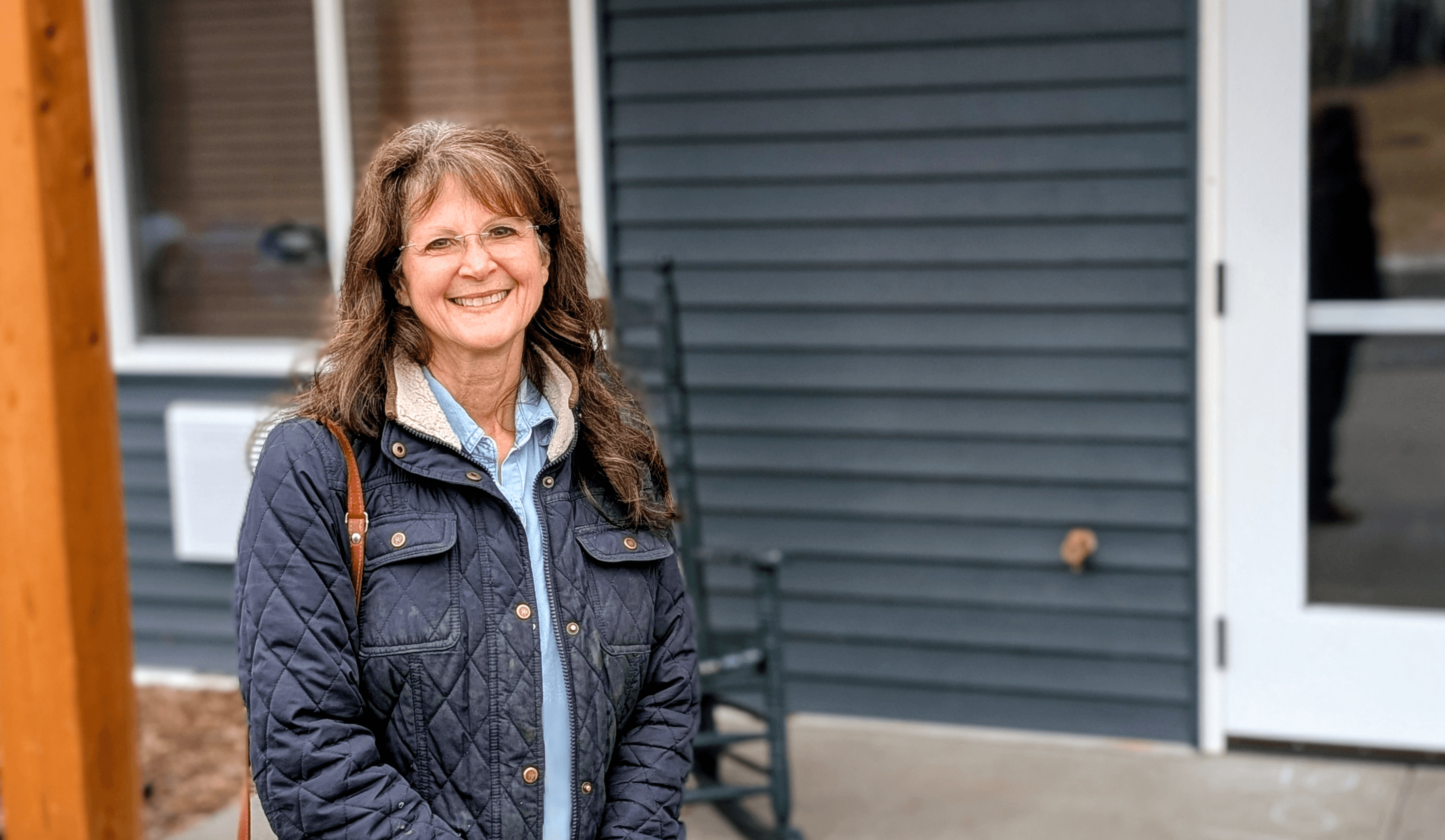
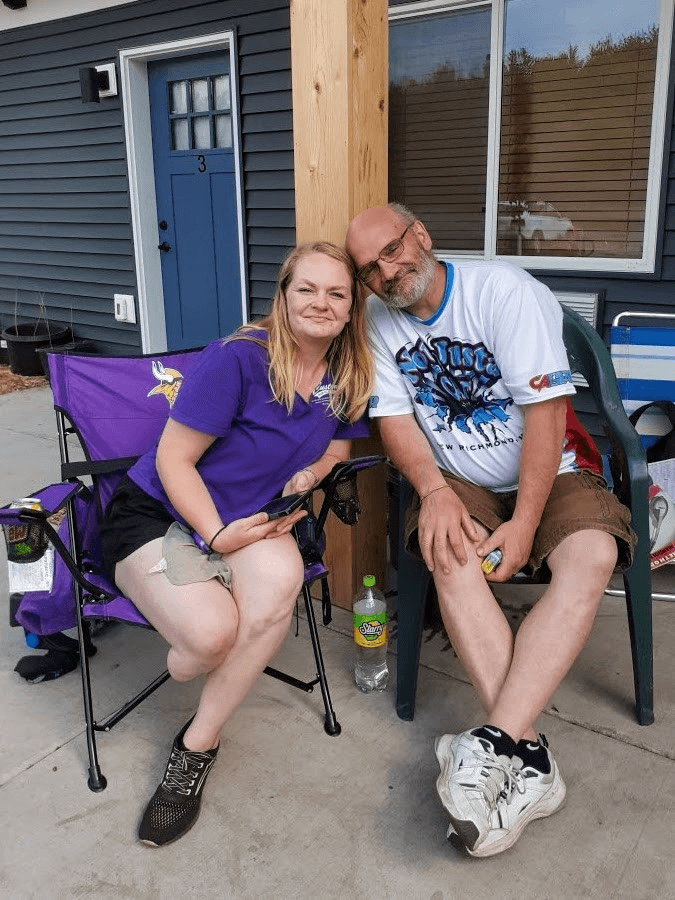
Picture a woman in northwest Brainerd—mid-50s, still wearing a faded winter coat—clutching a small metal key with tears streaming down her face. She kept whispering, almost to herself: “I have a key to my house.” For someone who had spent years without a permanent address, that key wasn’t just access to shelter—it was dignity returned, safety claimed, and a belonging she could finally call her own. Moments like this, repeated again and again at Creekside Community, capture what Vicky Kinney and her organization, My Neighbor to Love Coalition (MNTLC), are building in central Minnesota: not just a roof, but a rooted life.

A Crisis Hiding in Plain Sight

Homelessness isn’t just an urban problem anymore—it’s settling into rural towns and quiet backroads across middle Minnesota. On a single night in January 2024, more than 9,200 Minnesotans experienced homelessness statewide, a nearly 10 percent increase from the previous year. In Crow Wing County alone, 215 people were counted as homeless during that same point-in-time survey—a number that almost certainly misses many couch hoppers, car sleepers, and families doubling up in overcrowded homes.


The Brainerd Lakes Area faces its own unique rural challenges: limited public transit, fewer shelter options, and greater isolation. “People have maybe lost sight, or through their own life maybe don’t know, that everyone is created with a purpose and is loved by God,” says Vicky, sitting inside Creekside’s small office, a stack of paperwork beside her. Her conviction is shaped by profound loss. Her late son, Jeffrey, struggled for years with homelessness, addiction, and mental illness—drifting without stable housing or a community that truly saw him. “If my son Jeffrey could have been a part of a community like this, he’d still be alive,” Vicky says quietly. “He just wanted to belong.”


That belief—that every person deserves dignity, purpose, and connection—became the heartbeat of MNTLC.

From Rejection to Revelation

The road to Creekside Community was anything but smooth or straightforward. In 2019, after a public meeting sparked deeper conversations about homelessness in the Brainerd Lakes Area, Vicky, her husband Scot, and a small circle of neighbors drew up a comprehensive plan that stretched from emergency shelter to permanent homes, all aimed at long-term stability and dignity. 


The community meeting had already launched short‑term and long‑term solution groups, and while those teams moved ahead in their own directions, Vicky and Scot kept nurturing the broader vision in the background.


Then COVID hit, and much of that early energy went on pause. By 2021, when Vicky learned the short‑term group was working to open a shelter, she reached out to the lead on the long‑term solutions team to see how their side of the plan was progressing. They had hit a wall, she recalls, and with their blessing, she and a few neighbors “picked up the baton and ran with it,” focusing on the permanent‑housing piece. 
Before filing paperwork, that early core group watched a Community First documentary together to help them catch the vision of an intentional, relationship‑centered community, and it was enough to move them from idea to action. 


Out of that, My Neighbor to Love Coalition formally took shape, anchored by three guiding pillars: Home (stable housing), Health (physical, mental, and spiritual well‑being), and Harmony (relationships and community), which now shape the vision for Creekside Community.


But progress stalled early. Zoning restrictions, usage classifications, and density limits halted several proposals, and the tiny‑home village they first imagined was not allowed under local rules. 


After a particularly painful rejection from planning officials, Vicky remembers walking from her house to her farm animal sanctuary, weighed down by despair and uncertainty. As she pondered her next move, she sensed a clear, simple reassurance: “Buy the land.” That moment became a turning point—a spiritual directive that steadied her mission and set the next steps in motion.


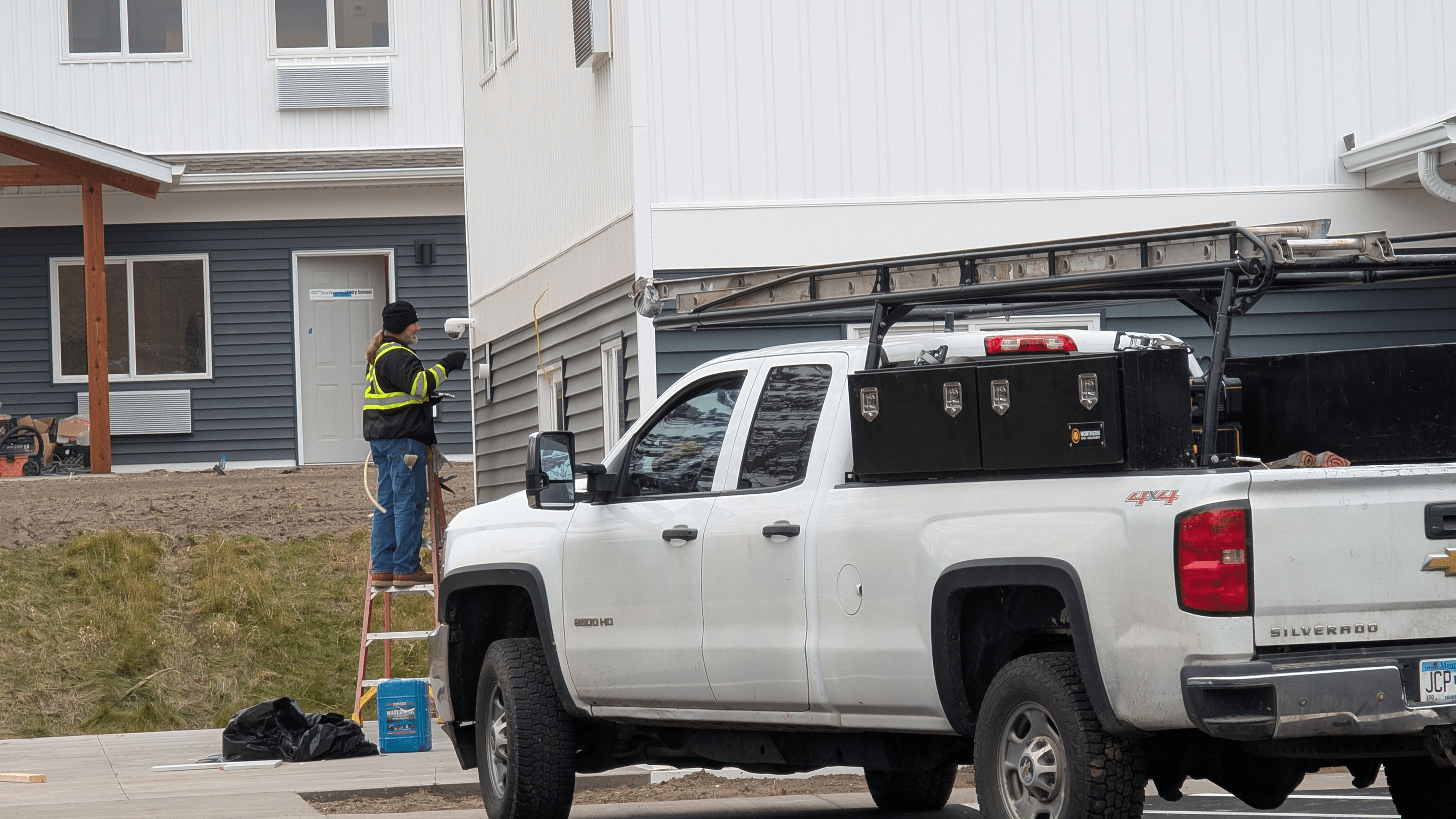
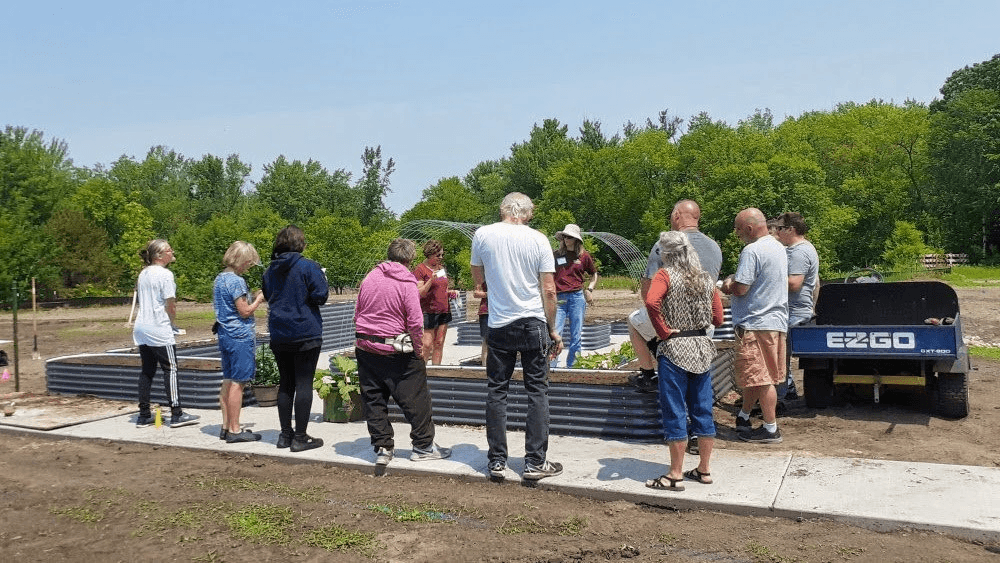
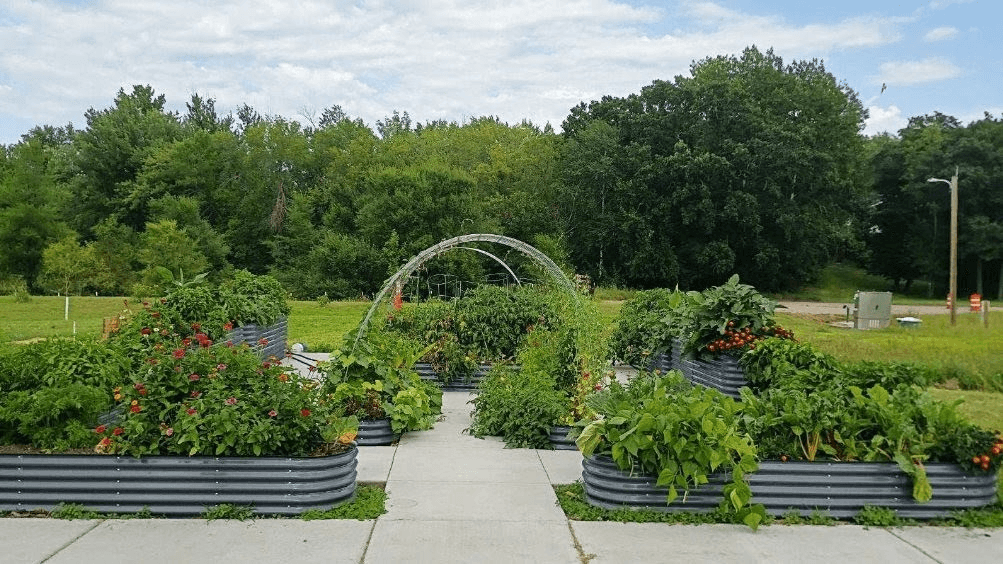
Today, Creekside stands as proof that persistence and faith can build what bureaucracy once blocked. The first housing project was a 4‑plex apartment building, completed in August 2023, and by 2025 the site has grown to four buildings, with studio apartments, family units, and a new fellowship hall rising to host shared meals, recovery work, and spiritual gatherings.

Housing First, Dignity Always

Creekside operates on a model similar to “Housing First,” an evidence-based approach that moves people into stable housing as the first step—not the last. Research shows that Housing First programs decrease homelessness by 88 percent and improve long-term housing stability by 41 percent compared to treatment-first models. In many cities that adopted it wholeheartedly, overall homelessness dropped by nearly half within five years.


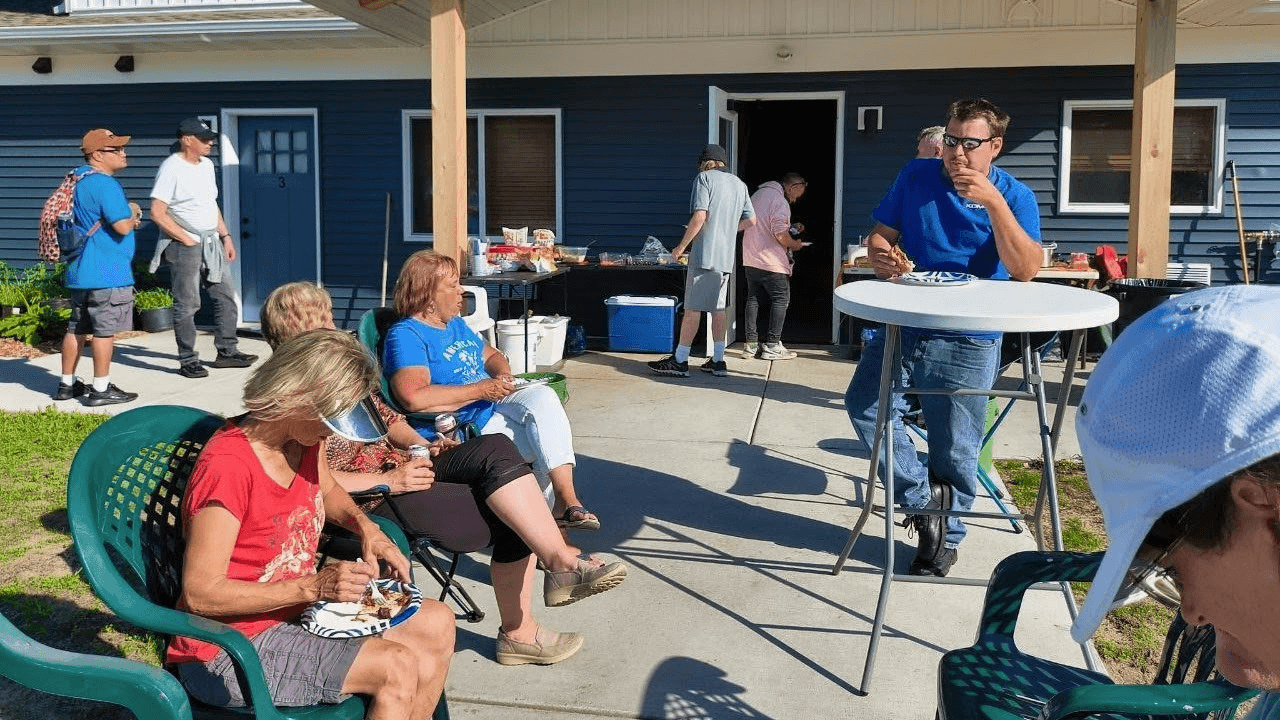
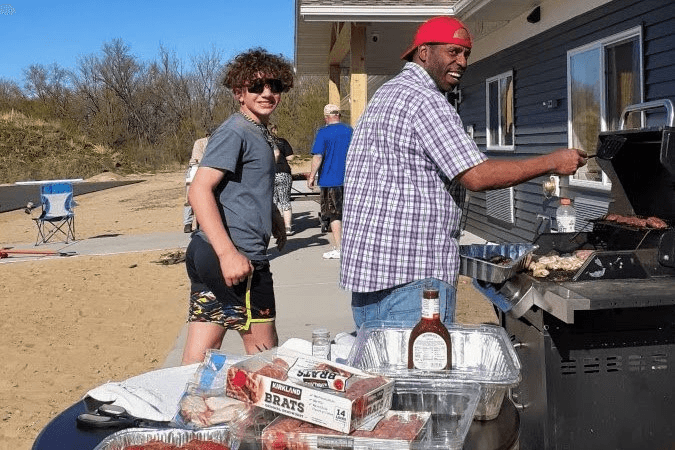
But MNTLC adds something more—a distinctly relational layer. Residents aren’t just handed keys and left on their own; they’re welcomed into an intentional community where accountability, dignity, and connection shape daily life. Through a service-credit program, residents earn credits toward rent or deposits by completing chores, helping neighbors, assisting at community events, or participating in shared activities. It’s structured enough to create stability, yet flexible enough to build pride and purpose.


“When I have better to do, I’m less likely to use.” one Creekside resident told Vicky. For him, “better to do” meant raking the shared yard, joining weekly meals, and having neighbors who expected him to show up. Routine and responsibility replaced the emptiness that used to pull him back into addiction.


Faith-based groups like MNTLC play an outsized role nationwide, operating roughly 30 percent of emergency shelter beds and a substantial portion of food shelves in Minnesota alone. Vicky’s approach blends the compassion of faith traditions with modern housing best practices, creating a model that is both heart-led and evidence-based.

Real Lives, Real Change

The impact of Creekside isn’t measured only in buildings—it’s measured in lives transformed.


One former long-term homeless resident—let’s call him Mark—once spent winters huddled in entryways just to survive the cold. When he first arrived at Creekside, he barely spoke to anyone. Weeks later, he began joining group meals. Then he started volunteering with maintenance tasks. Today, Mark works part-time, keeps his apartment tidy, and recently wrote down three personal goals for the first time in years.


A mother regained custody of her child after securing stable housing. A baker, once trapped in a cycle of temporary rentals, is now thriving in her job and saving for the future.


These outcomes aren’t accidental. They’re the result of consistent stability, personal growth, and supportive relationships. The emotional peak often comes at the moment residents receive their keys—an event Vicky says never stops being powerful. One woman carried her new key to the soup kitchen and showed it to every person she passed, radiating joy.

Community Buy-In and Ongoing Challenges

Support from the Brainerd Lakes Area has been remarkable. Local churches, trades workers, small businesses, and individual donors have stepped forward with materials, labor, and funds. One local contractor even donated unused building supplies after hearing about Creekside’s mission—an unexpected gesture that still makes Vicky emotional. “People have said that everybody’s in their own pocket, but that’s just not true,” she says.


Brainerd Catholic continues to promote volunteer opportunities with MNTLC, and coordinator Ellen Cherne encourages community members to get involved through the organization’s website.


Still, challenges remain. “All the money we get goes towards getting people in, and we don’t put it towards operations enough,” Vicky says. Day-to-day operations rely heavily on a small group of dedicated volunteers. The “supportive friend” program—designed to pair residents with mentors—hasn’t gained the traction they hoped for.


And the housing crisis statewide is only growing. Greater Minnesota faces one of the widest affordability gaps in the Midwest. Over the past decade, the HUD fair‑market rent for a modest two-bedroom apartment in Crow Wing County has climbed by nearly 50%, outpacing local incomes and straining many working families’ budgets. Statewide, a Minnesotan now needs to earn about $56,700 a year to afford a typical two-bedroom home without being cost‑burdened—more than many essential workers make.

Looking Ahead: Expansion and a Model for Others

MNTLC is now awaiting a major grant decision in December 2025. If approved, Creekside will add 20 additional units, including larger family apartments—crucial in a state where parents often struggle to stay with their children due to shelter limitations and housing shortages.


Vicky hopes Creekside becomes a blueprint others can follow. “I’m hoping that other communities will come and look and say, okay, we can do this in our community,” she says.


When asked what her son Jeffrey would think of Creekside today, she pauses. “I think he would be proud, and I think he’d just be happy.”


For Vicky, every unit built is a tribute to the son she lost. Jeffrey didn’t just need shelter—he needed connection, purpose, and a place where he was known. Creekside is the community he never had, built so that others won’t have to drift alone.

What You Can Do

If you’re moved by this work, there are meaningful ways to help:

  • Volunteer: From construction projects to community events, MNTLC needs hands ready to pitch in.
  • Donate: Every financial contribution goes directly toward new housing units and daily operations.
  • Become a supportive friend: Walk alongside a Creekside resident as a mentor or community ally.
  • Attend a tour or open house: Learn how Creekside operates and meet the people building it.
  • Spread the word: Share MNTLC’s mission with your church, workplace, or friends.

Visit MNTLC.org to learn more or to volunteer.


Every new resident eventually stands in a doorway holding a small metal key—just like that woman in northwest Brainerd—feeling the weight, the promise, and the pride of having a home. Your support helps make those moments possible.

Lakes Area Buzz

© 2025 Lakes Area Buzz.

Lakes Area Buzz is your go-to source for everything happening around the beautiful Brainerd Lakes Area. From local news and community events to business highlights and outdoor adventures, we keep you connected to all the excitement in Brainerd, Baxter, Breezy Point, Crosslake, Crosby, Lake Shore, Nisswa, Pequot Lakes, and Pillager. Stay in the loop with the latest buzz in the Lakes Area!

© 2025 Lakes Area Buzz.