
Hope in the Heartland: Why This Crosby Leader Believes Kindness Can Save Lives |
Community Unites to Foster Hope and Connection |
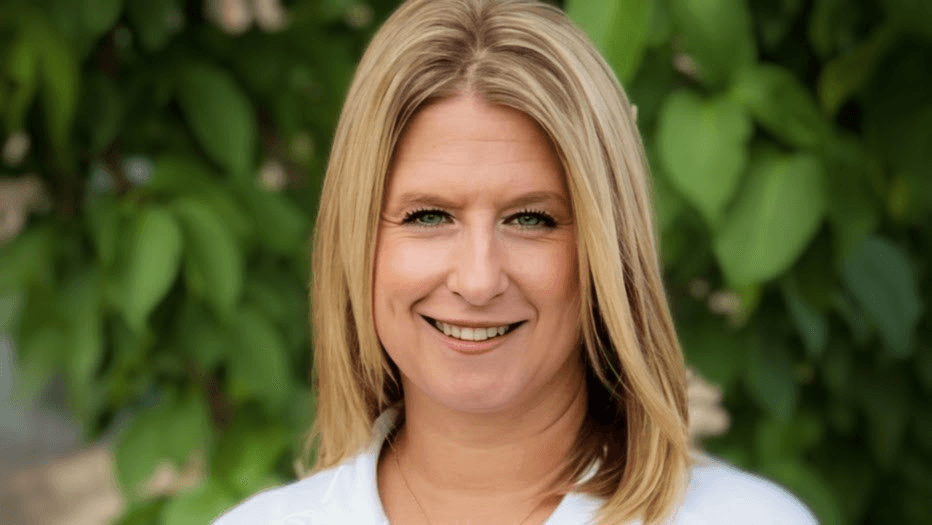
Picture Jennifer Lowe sitting at a coffee shop in Brainerd, wrestling with a question most of us deflect with a quick "I'm fine." When asked how she's really doing, the answer she doesn't say out loud is the honest one: "We're struggling." It's the Minnesota nice way of navigating life's rough patches—the instinct to paint over pain with politeness. But Lowe, who serves as Director of Foundation and Community Relations at Cuyuna Regional Medical Center and board chair for Smiles for Jake, has built her life's work around breaking through that silence.
|
The Numbers Behind the Crisis |
Rural Minnesota faces a suicide epidemic that demands urgent attention. Preliminary 2024 data from the Minnesota Department of Health shows 813 suicide deaths statewide, maintaining the same rate as 2023 at 13.9 per 100,000 people. But the story shifts dramatically when you zoom into rural counties like those surrounding Crosby, Brainerd, and the Cuyuna Range.
|

VIDEO CREDIT: Lakeland PBS |
Building Hope Through Connection |

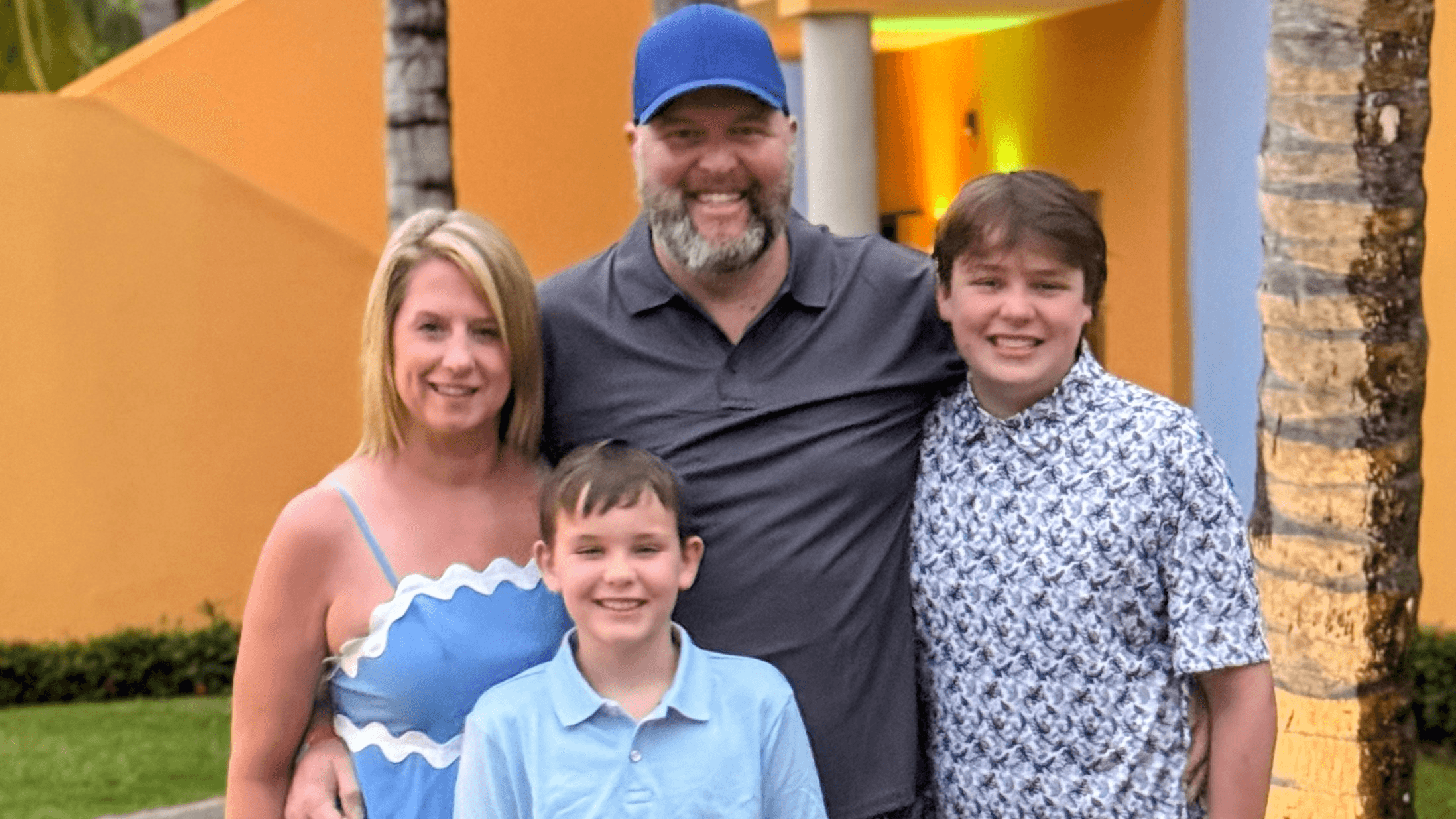
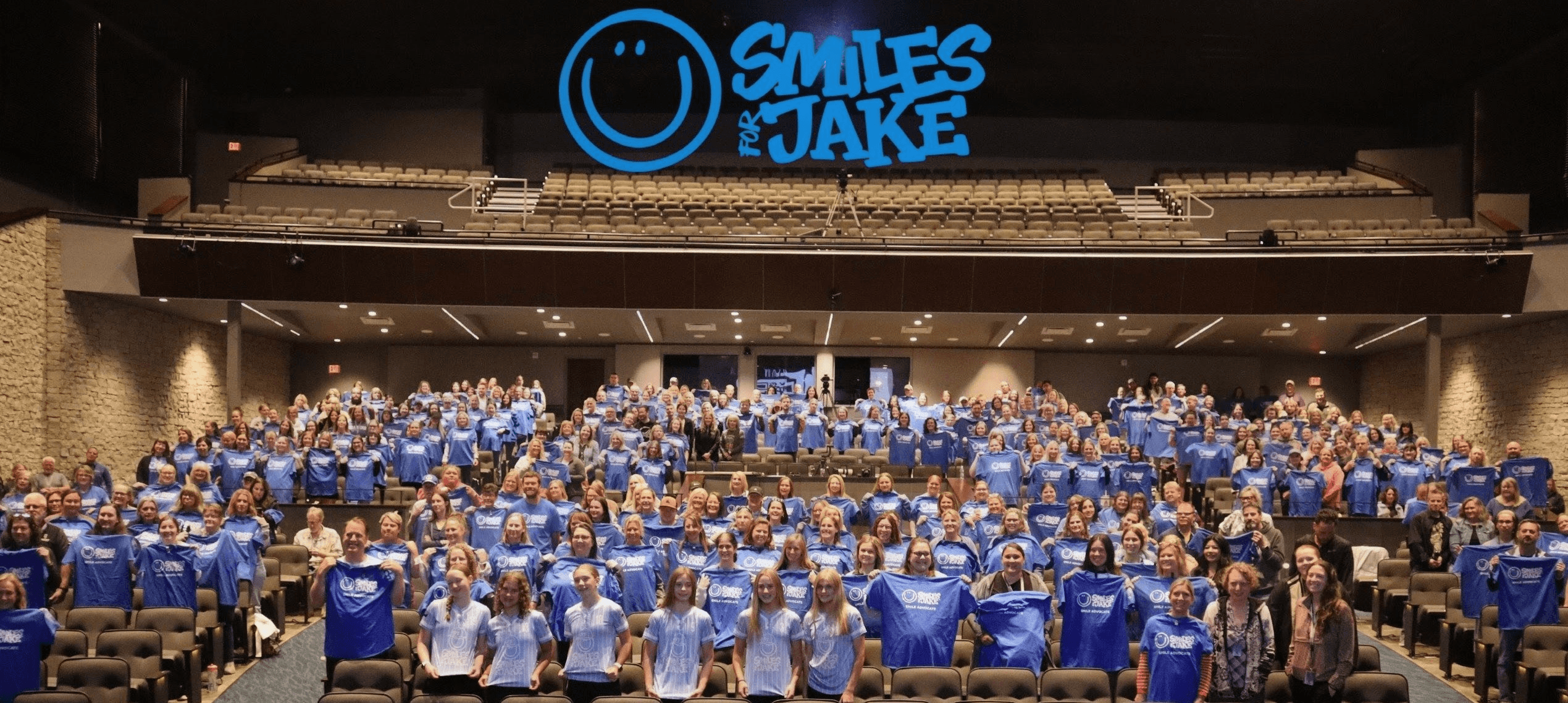
Lowe's involvement with Smiles for Jake became deeply personal the same year 16-year-old Jake Haapajoki passed away—she lost a beloved colleague to suicide. "I really was called to make a difference in the world," she explains. "I don't believe anybody should have no hope that they feel that they have to take their life, and I just want to make it a better place."
|
 |
Healthcare Meets Community Action |
At Cuyuna Regional Medical Center, Lowe leads fundraising efforts that directly support patients facing crisis. The CRMC Foundation, established in 2010, channels community contributions toward medical technology, special projects, and a fund that helps cancer patients cover basic necessities—food, heating, rent—while undergoing treatment.
|
 |
Resources Growing, But Gaps Remain |

Minnesota has made meaningful investments in suicide prevention infrastructure. The 988 Suicide & Crisis Lifeline, which replaced the longer National Suicide Prevention Hotline number in 2022, answered 90,080 contacts in Minnesota during 2024—a 75% increase from 2023. The state's local lifeline workforce maintains a 91% average answer rate with wait times of just 19 seconds for calls and 16 seconds for chats and texts.
|
 |
What You Can Do |
For central Minnesota residents wanting to support mental health in their communities, Lowe offers straightforward advice rooted in her own hard-won wisdom. After navigating divorce years ago, she learned that seeking outside perspective doesn't signal weakness—it demonstrates strength. "It's okay to ask for help," she says. "It actually makes you strong that you're confident enough to say, 'I need an outside viewpoint.'"
- Pull them aside privately and ask if everything's okay - Start slow and ease into conversation - Listen without judgment - Connect them to resources if needed
- Call or text 988 to reach the Suicide & Crisis Lifeline - Contact Northern Pines Mental Health Center at (320) 639-2025 - Reach the Peer Support Warmline at (844) 739-6369 - Call Safe Harbor Crisis Stabilization Services at (218) 454-3844 - For immediate police assistance, call 911
|
Reader Poll: Have you noticed someone struggling recently but weren't sure how to help? We'd love to hear your experiences and questions. Email us at joshua@lakesareanewsletter.com |
0 Comments
Join the conversation
Be the first to comment
Share your thoughts above.